Repair Sewer Lines Without Excavation
Sewer Liner Installation in Trumbull for damaged pipes requiring permanent structural repair
Tree roots penetrating clay sewer lines or decades-old pipe corrosion eventually causes backups, slow drains, and sewage odors that indicate the pipe structure itself has failed. Traditional replacement requires excavating your yard from the house to the street connection, but ServiceMaster Restoration by Expert One uses Cured-in-Place Pipe lining to create a new, seamless pipe inside the existing damaged one without digging. Properties in Trumbull with mature landscaping, paved driveways over sewer lines, or pipes running under structures benefit from this trenchless approach that eliminates restoration costs associated with traditional replacement.
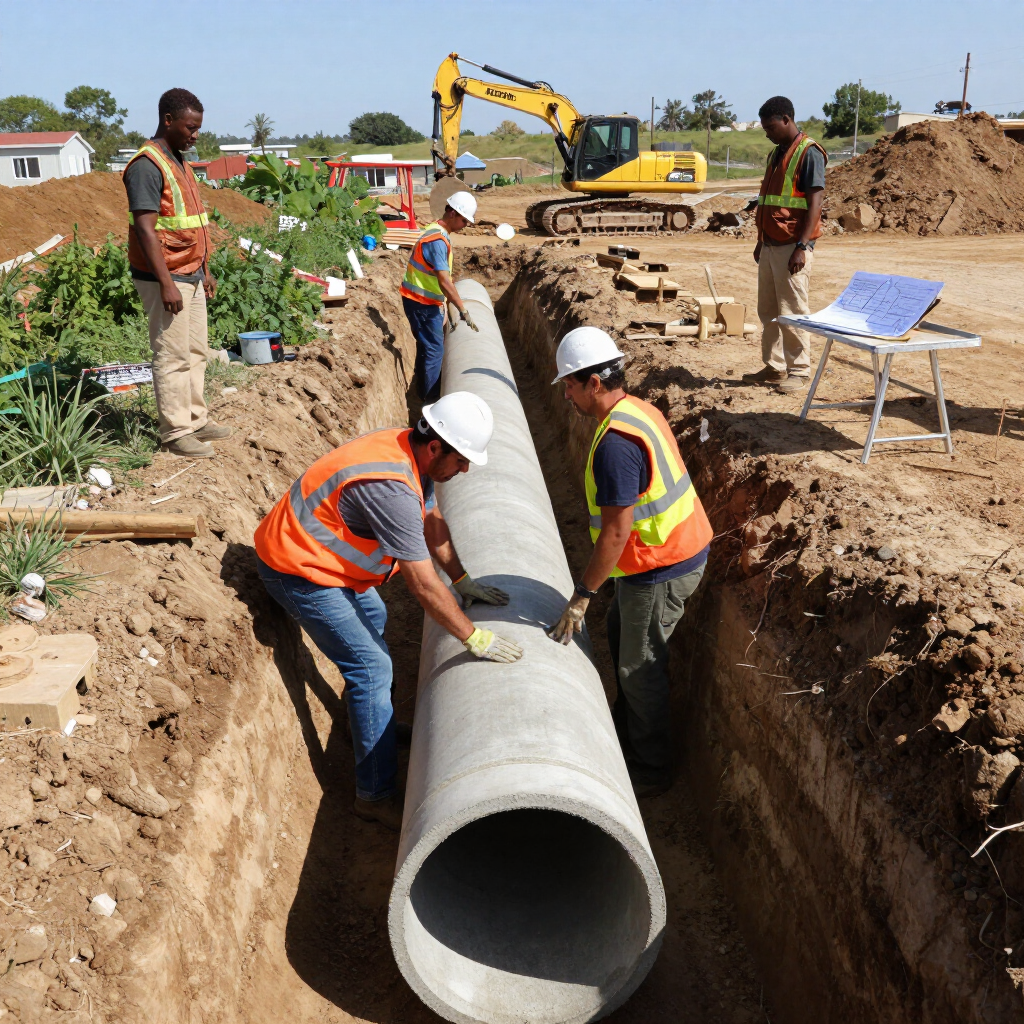
The process begins with a waterproof camera inspection that identifies exactly where cracks, root intrusion, or structural collapse has occurred along your sewer line. Technicians then use hydro jetting to blast out debris, grease buildup, and invasive roots with high-pressure water, leaving a clean interior surface. A flexible tube saturated with epoxy resin is inserted through an outdoor cleanout or small access point and inverted using air or water pressure, turning inside out as it travels through the damaged pipe so the resin-coated side presses against the old pipe walls. An inflatable bladder holds the liner in its proper round shape while hot water or steam circulates through the tube, triggering the chemical reaction that hardens the resin into solid plastic over several hours.
Request a camera inspection to determine whether your sewer line damage is confined enough for liner installation or requires full replacement.
How Lining Addresses Structural Pipe Failure
The curing process creates a jointless interior pipe with structural integrity independent of the original damaged pipe, which now functions only as an outer shell. The epoxy material resists root penetration because it provides no seams or cracks where roots can enter, and the smooth interior surface allows waste to flow more efficiently than the corroded or root-damaged pipe it replaced. This method works for pipes with cracks, moderate root intrusion, and sections with partial collapse, but cannot repair lines that have completely separated or shifted due to soil settlement.
After installation completes and the bladder is removed, your sewer line functions as if a brand-new pipe was installed, but your yard, driveway, and landscaping remain untouched. Drains that previously backed up or drained slowly now clear immediately because the liner's smooth interior eliminates the rough, corroded surface that caught debris. The repair typically lasts fifty to one hundred years, outliving most traditional pipe replacements, and because the liner bonds to the host pipe along its entire length, it can't separate at joints or develop new cracks from ground movement.
The installation typically completes in a single day, and you can use your plumbing system again as soon as the resin fully cures. The process requires access points at both ends of the damaged section, which technicians create through existing cleanouts or by digging small access pits that are far less invasive than trenching the entire line. Costs are significantly lower than excavation when factoring in restoration expenses for driveways, landscaping, and hardscaping that would otherwise need replacement after traditional sewer line work.
Answers to Frequent Service Questions
Property owners in Trumbull dealing with recurring sewer problems often want to understand how the trenchless repair process compares to excavation.
What types of sewer line damage can the liner repair?
The liner addresses cracks, moderate root intrusion, corrosion, and sections with partial structural failure. It cannot repair pipes with complete separation, pipes that have shifted vertically due to soil settlement, or lines with bellied sections where standing water prevents proper liner installation.
How long does the resin take to cure completely?
Curing time depends on the resin type and curing method used, but typically ranges from three to six hours when using hot water or steam. UV-cured liners harden faster, sometimes within an hour, but require specialized equipment. Once cured, the pipe is immediately ready for normal use without any break-in period.
Does the liner reduce the interior diameter of the pipe?
The liner adds approximately a quarter inch to the pipe wall thickness, slightly reducing interior diameter. For standard residential sewer lines of four inches or larger, this reduction has no practical effect on flow capacity because the smooth epoxy surface allows waste to move more efficiently than through the corroded or root-damaged pipe it replaced.
What happens to tree roots that were growing into the pipe?
Hydro jetting removes roots before liner installation, cutting them flush with the interior pipe wall. The seamless epoxy liner prevents roots from re-entering because it provides no cracks or joints where roots can penetrate. Trees continue growing normally, but their roots no longer infiltrate your sewer line.
How do you know if my pipe is too damaged for lining?
The camera inspection reveals whether your pipe maintains enough structural integrity to support a liner. Pipes with complete separations, severe offset joints, or extensive collapse require excavation and replacement because the liner needs a continuous host pipe to bond against. Sections with moderate damage between intact sections are ideal candidates for this repair method.
ServiceMaster Restoration by Expert One provides sewer camera inspections that determine whether your pipe qualifies for liner installation or requires traditional replacement. Arrange an inspection to see exactly what condition your sewer line is in and receive a detailed repair recommendation based on the specific damage patterns we find.